Author
Vessela Krasteva
News
Radio Bulgaria thanks the participants in its “Lesson on Bulgaria” initiative
Monday 10 August 2026 05:00
Monday, 10 August 2026, 05:00
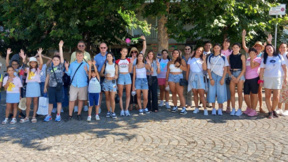
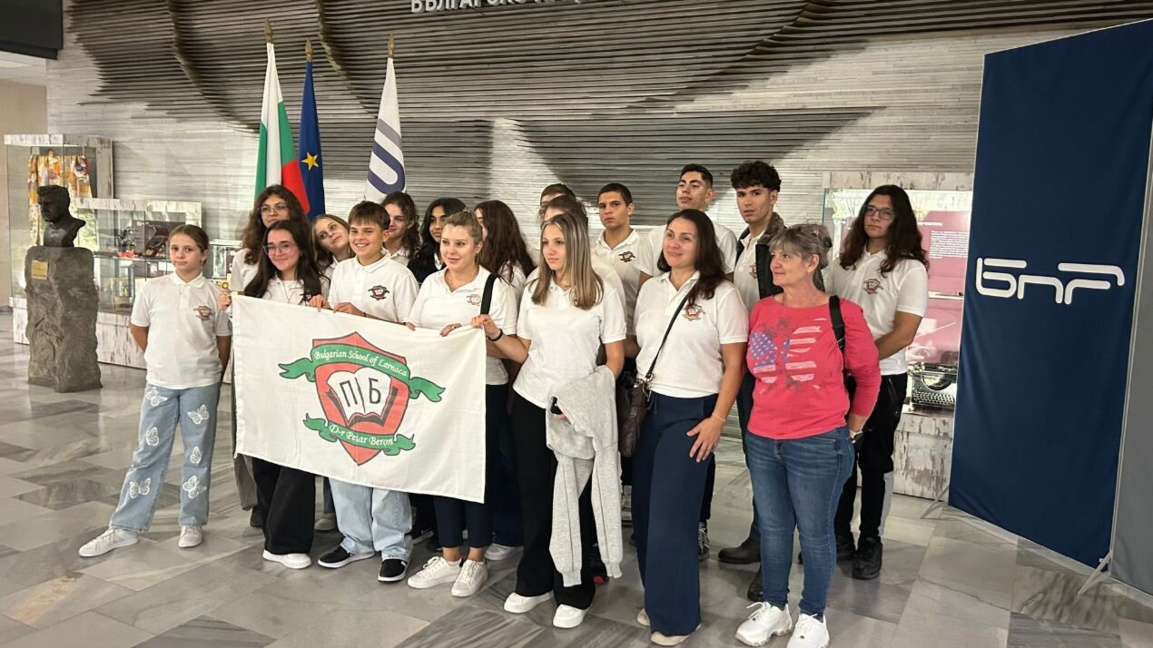
PHOTO Krasimir Martinov
Font size
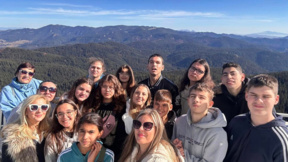
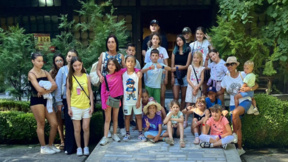
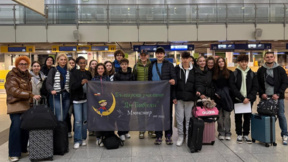
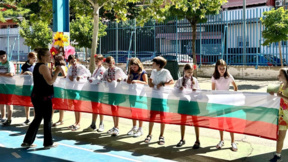
One of the initiatives through which Radio Bulgaria is marking, in 2026, the 90th anniversary of the first Bulgarian radio broadcasts for international audiences is now drawing to a close. Over the past several months, dozens of pupils from Bulgarian Sunday schools abroad presented their own “Lesson on Bulgaria” through audio and video stories. In conversations with teachers and school heads, we also shared 12 stories of faith, hope and tireless work, driven by the desire to preserve and pass on Bulgarian spirit and culture to generations growing up beyond the country’s borders.
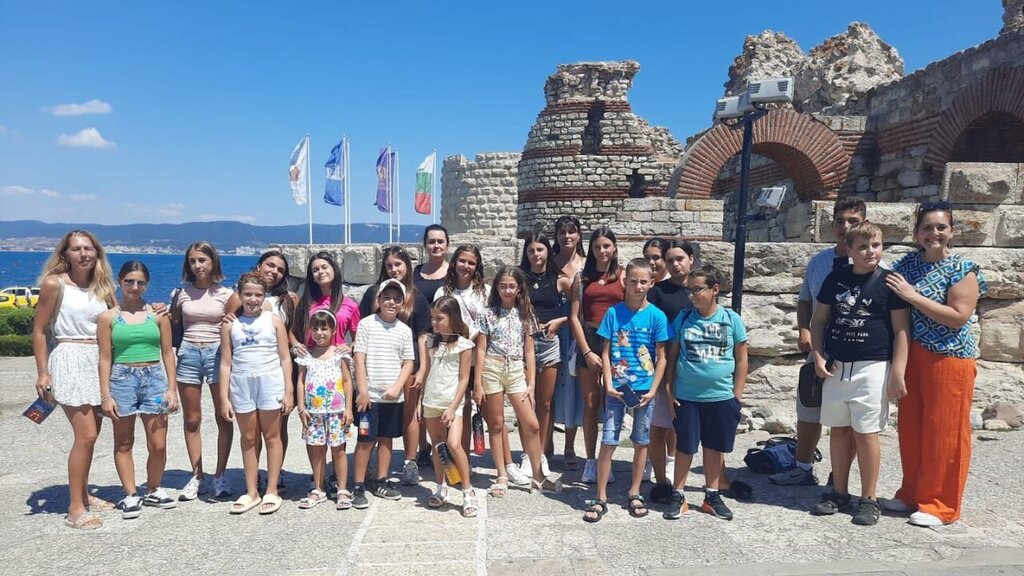
PHOTO Facebook / Abagar Bulgarian Sunday School in Rome
The materials submitted by the pupils and their teachers and edited by the Radio Bulgaria team were published on our website and on our YouTube page, while audio versions of the “lessons” were broadcast as part of our “Bulgaria Today” podcast and “The Radio Bulgaria Hour” on BNR’s Hristo Botev Programme. All of them were inspired by the visits of our young compatriots to Bulgaria under the Ministry of Education and Science’s national programme “Bulgaria - Educational Routes”.
The time has come to present the final “Lesson on Bulgaria”, at least for the time being. And it is a lesson filled with gratitude to everyone who took part in the initiative:
- Bulgarian Sunday School “Rayna Knyaginya” - Burgos, Spain
- Bulgarian Sunday School “Abagar” - Rome, Nettuno and Ladispoli, Italy
- "Hristo Botev" Secondary School - Bratislava, Slovakia
- Bulgarian Sunday School “Zdravey” - Skopje, North Macedonia
- Bulgarian Sunday School “Rodolyubie” - Naples, Italy
- Bulgarian Sunday School “Dr Petar Beron” - Larnaca, Cyprus
- Bulgarian Sunday School “Izvorche” - Ukraine
- Bulgarian Sunday School “Yan Bibiyan” - Münster, Germany
- Bulgarian Sunday School “Azbukarchеta” - Torrejón de Ardoz and Madrid, Spain
- Bulgarian Sunday School “Tsar Simeon the Great” - Dikea and Orestiada, Greece
- Bulgarian Sunday School “Sts Cyril and Methodius” - Athens, Greece
- Bulgarian Sunday School “Asen and Iliya Peykovi” - Rome and Colleferro, Italy
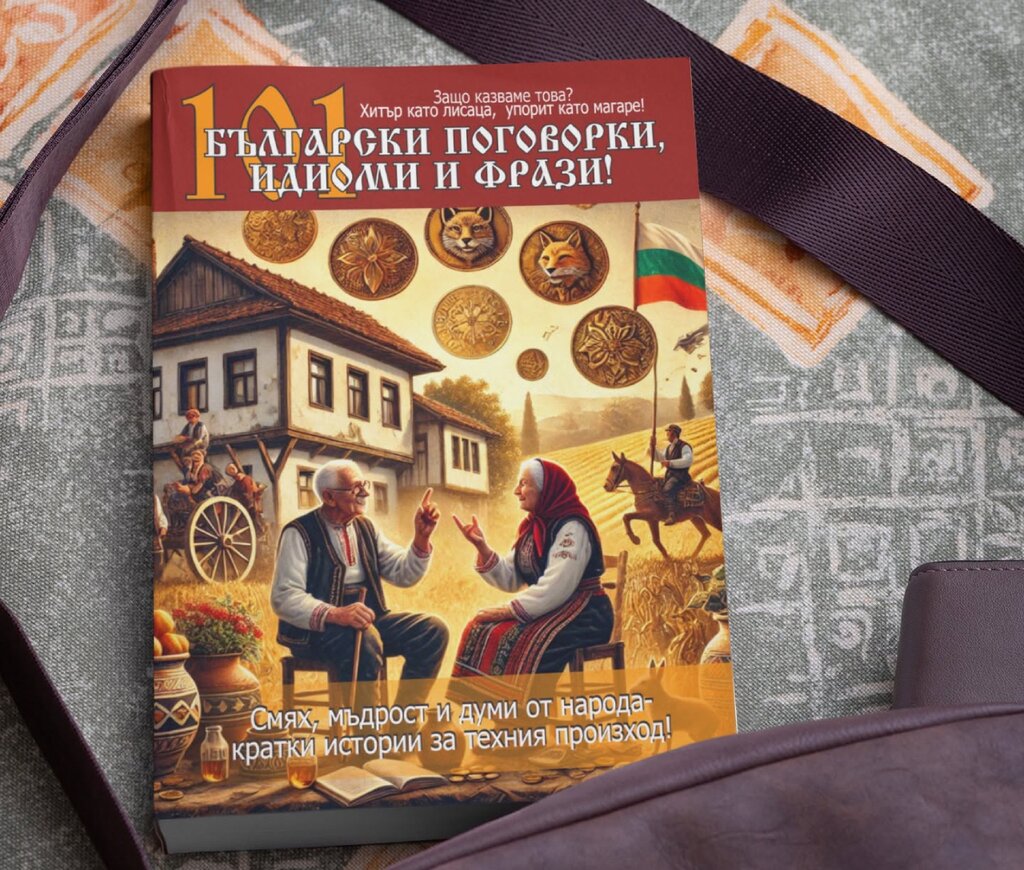
PHOTO Tsvetomir Nikolov
As a token of appreciation for the stories they have shared, at the beginning of the new school year Radio Bulgaria will present each of the Bulgarian schools that took part in our “Lesson on Bulgaria” initiative with a certificate of appreciation and gifts. The gift sets include entertaining games and educational books which, we believe, will also be useful during Bulgarian language and Bulgarian history lessons.
Among these educational materials is Legends of Bulgarian Cities: The Mysteries Behind Their Names by young Bulgarian writer Tsvetomir Nikolov. Inspired by the idea behind our “Lesson on Bulgaria” initiative, he decided to donate another of his books to Bulgarian children abroad, 101 Bulgarian Proverbs, Idioms and Expressions.
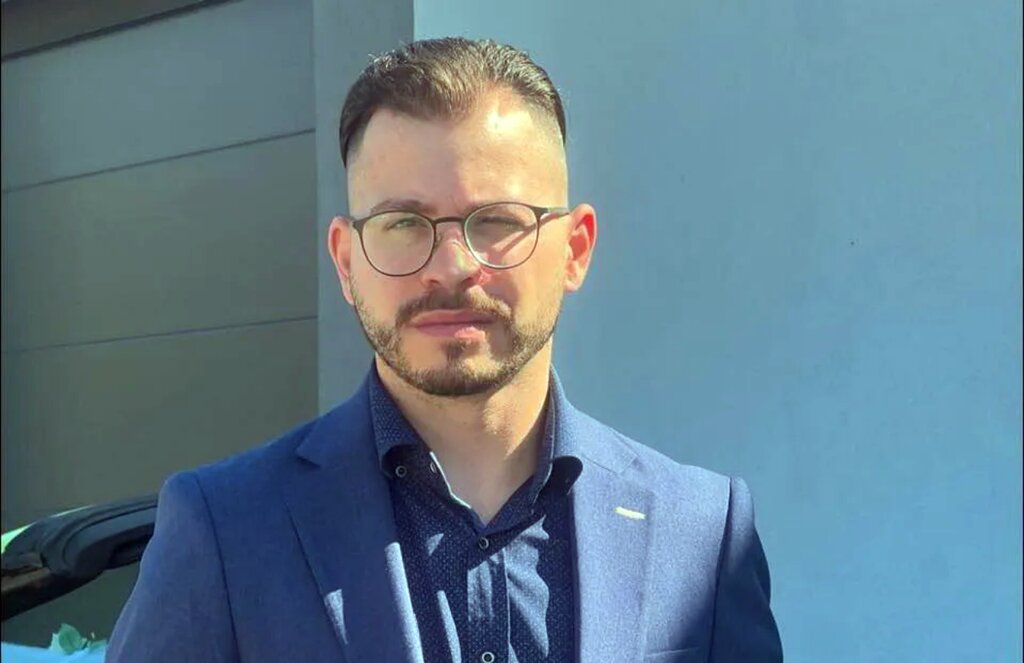
Tsvetomir Nikolov
PHOTO prikazkite.eu
“Because I believe that the connection with Bulgaria should not be merely a lesson from a textbook, but an experience,” Tsvetomir Nikolov says in an interview with Radio Bulgaria:
“For children in Bulgarian Sunday schools, language is not just grammar. It is a way to speak with their grandparents and understand family stories, to sing Bulgarian songs and feel that they have roots. The ‘Lesson on Bulgaria’ initiative is valuable because it shows that Bulgaria is not merely a place on the world map. Bulgaria is language, memory, family, emotion and a sense of belonging. I support this initiative because I believe that when a child comes to love their language and history, they carry Bulgaria with them, regardless of the country in which they live.”
Tsvetomir Nikolov is someone who believes that words are more than simply a means of communication. They embody character, memory and an attitude towards the world. Alongside his everyday work as an entrepreneur, he therefore devotes part of his free time to writing. He has published five books, the most recent of which explore folk memory, Bulgarian expressions, legends and tales that we heard from our grandparents as children.
In Legends of Bulgarian Cities: The Mysteries Behind Their Names, for example, he explores stories from 236 Bulgarian settlements, focusing on the origins of their names and the myths surrounding their founding and existence. For him, the most fascinating story in the book is connected with his childhood in the town of Lom, a story he remembers from his grandparents.
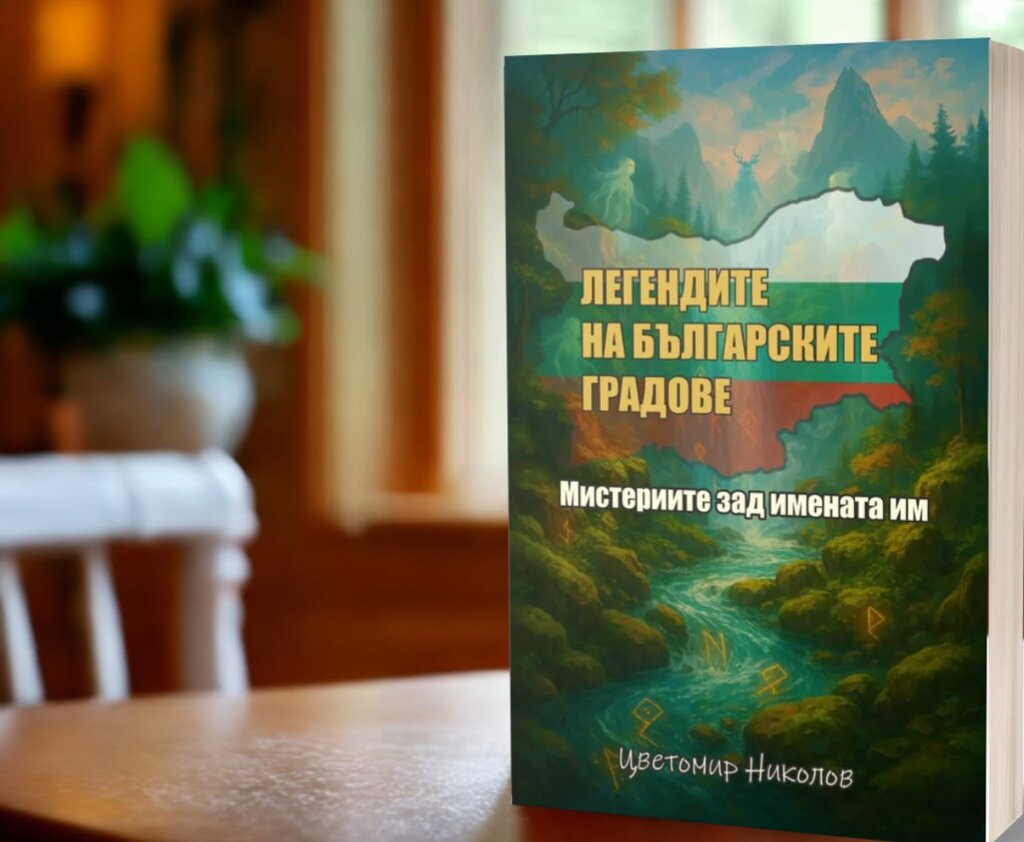
Legends of Bulgarian Cities: The Mysteries Behind Their Names
PHOTO Tsvetomir Nikolov
“It is said that the Danube, along whose banks the town of Lom lies, froze over, and wolves began crossing the river from Romania. Then a brave man named Yordan appeared. Despite the wolves, and thanks to the fish he caught from the frozen river, he managed to feed and save the people living in these lands.”
Tsvetomir Nikolov does not claim that the story is entirely historically accurate. What matters greatly to him, he says, is that people’s imagination should be engaged and that they should find what they read interesting enough to continue searching for the truth themselves.
As for idioms, these are fixed expressions whose overall figurative meaning differs from the literal meanings of the words that make them up. They represent the naturalness and richness of language that help define the character of a people. Their literal translation into other languages is often impossible or sounds absurd, while Bulgarians themselves increasingly use such expressions out of habit without knowing their true meaning and origin.
Examples of Bulgarian idioms include “as cunning as a fox”, “the well-fed cannot understand the hungry” and “one wedge drives out another.” The expression that inspired Tsvetomir Nikolov to write a book devoted to such phrases is “The wind carries him on a white horse” ("vyatar go vee na byal kon").
“This is one of those expressions through which the Bulgarian language manages to paint a character in just a few words. When we say, ‘The wind carries him on a white horse,’ we usually imagine a person who seems to float lightly through life, carefree and sometimes without a clear direction. For me, this expression is very powerful and reveals the richness of the Bulgarian language. It does not merely name things; it paints pictures.”
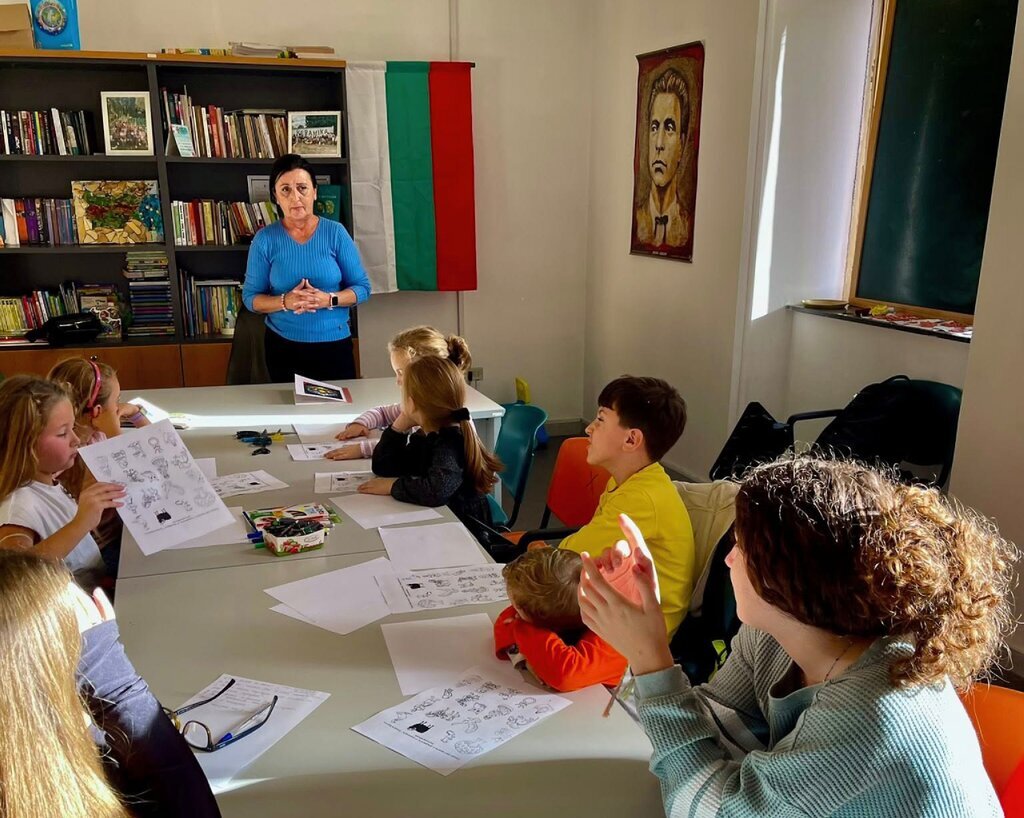
PHOTO Bulgarian Sunday School "Rodolyubie" in Naples, Italy
Bulgarian teachers abroad do far more than teach children to read and write. They pass on to them the ancestral memory of a Bulgarian people with centuries of history. That is why Tsvetomir Nikolov wished to address the pupils and teachers at Bulgarian Sunday schools around the world personally, with words of gratitude:
“To the children, I would say: do not regard the Bulgarian language as an obligation; regard it as a key. It is a key to our family, to our stories, to our ancestors, to the songs and tales and places we come from. The more language you carry within you, the richer you are.
And to the teachers I would say: what you do is much more than teaching. You are not simply teaching children to write correctly. You are giving them a sense of value and worth. You are giving them a bridge to Bulgaria. I sincerely want to thank these people.”
Read also:
A Lesson on Bulgaria: Bulgarian children from Larnaca go to the Rhodopes and BNR
Students teach "A lesson on Bulgaria"
Bulgarian schools abroad: Accomplishments, problems and changes needed
English: R. Petkova
This publication was created by: Rositsa Petkova